
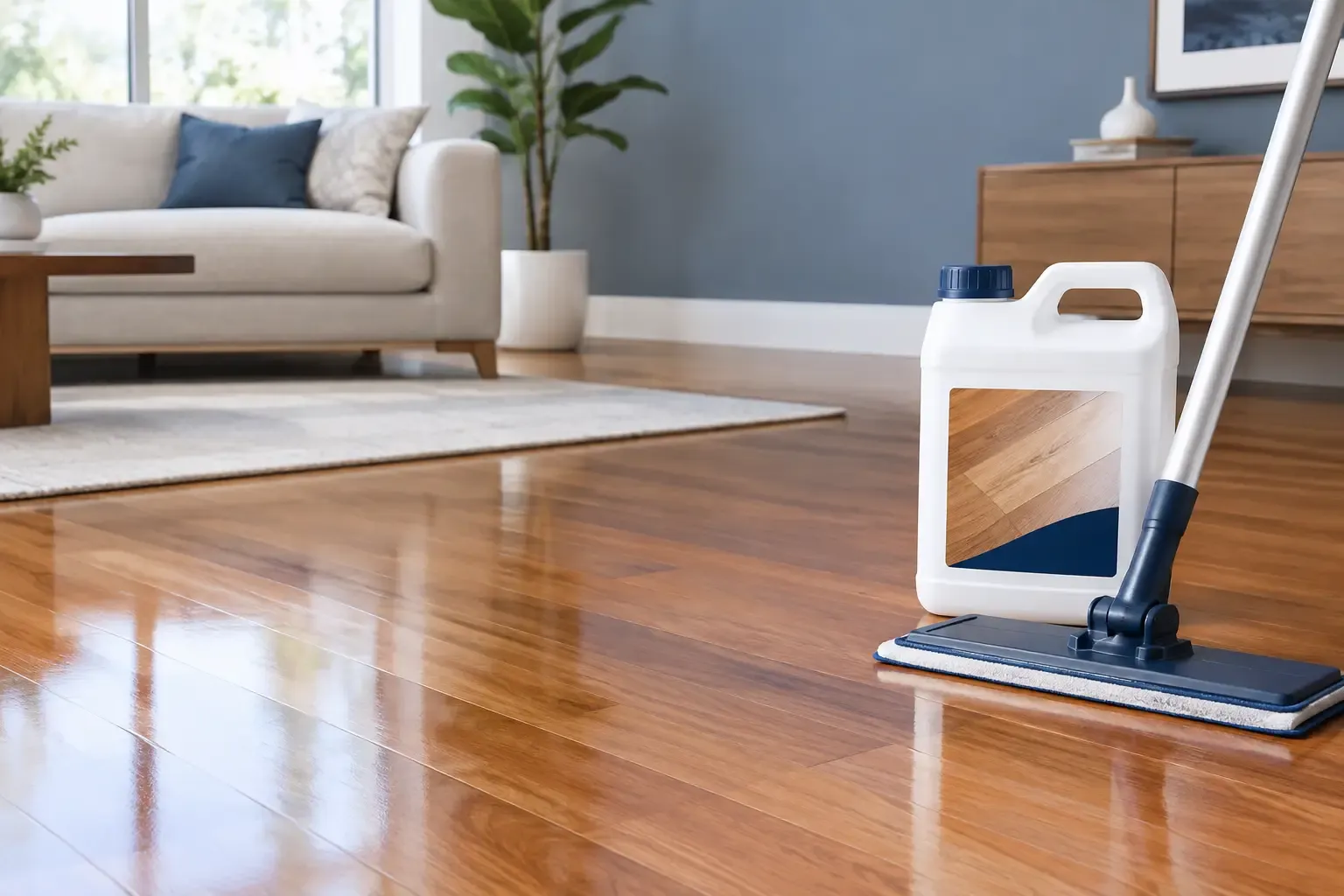
A floor can look flawless on the day sanding ends and still disappoint a year later if the finish does not match the home. Bona hardwood floor finish is a frequent choice for homeowners who want a clear, durable protective layer without turning a hardwood restoration into a long, odor-heavy disruption. The right Bona system can preserve the character of oak, maple, hickory, or older heart pine while giving the surface the level of protection its daily use demands.
For a busy Bethesda household with children and a dog, that may mean prioritizing wear resistance and a matte appearance that disguises small scuffs. For a historic home in Silver Spring, it may mean retaining a natural, period-appropriate look while protecting carefully repaired original boards. The finish is not an afterthought. It is the working surface of your floor.
What a Bona Hardwood Floor Finish Does
A hardwood finish seals the wood after sanding and staining, or after sanding alone when a natural appearance is preferred. It helps limit moisture absorption, protects against normal foot traffic, and makes routine cleaning more manageable. Bona’s waterborne finish systems are widely specified because they dry relatively quickly, have lower odor than many traditional oil-based finishes, and offer a clear appearance that lets the wood and stain color remain visible.
That clarity matters. Oil-based finishes can add an amber tone that deepens over time. Some homeowners like that warm, traditional effect, particularly on red oak or vintage floors. Others want the truer color of white oak, maple, or a custom gray-brown stain to remain intact. A waterborne Bona finish is often the better fit when color control is a priority.
A finish also affects how light moves across a room. High-gloss floors reflect more light, but they show dust, footprints, and surface scratches more readily. Satin has a softer sheen and remains a classic residential choice. Matte and extra-matte finishes create a low-reflection appearance that works especially well in contemporary homes, wider-plank floors, and active households.
Choosing the Right Bona Finish System
There is no single best finish for every wood floor. The practical choice depends on the species, the room, the desired look, and how the property is used. A professional assessment should start before a product is selected, because deep pet stains, water damage, cupping, gaps, prior coatings, and uneven boards can change the preparation and finishing plan.
Bona Mega ONE for dependable residential protection
Bona Mega ONE is a waterborne option commonly considered for residential refinishing. It provides a clear finish with solid everyday durability and is appropriate for many bedrooms, living rooms, dining rooms, and hallways. For a homeowner balancing quality and budget, it can be a sensible system when the floor is not exposed to unusually heavy traffic.
It is not necessarily the first recommendation for every situation. A large dog, a busy kitchen path, rental turnover, or a commercial entry area may justify moving up to a higher-performance finish. Saving on the final coats can cost more later if the floor needs premature recoating.
Bona Traffic HD for high-use spaces
Bona Traffic HD is designed for demanding conditions and is often chosen for active homes and commercial applications. It offers a higher level of abrasion and chemical resistance than standard residential finishes, with a relatively fast cure schedule. That can be valuable when a family needs to return to normal use sooner or when a business has limited downtime for a flooring project.
High performance does not mean indestructible. Grit under shoes can still scratch any finish, standing water can still damage the wood beneath it, and dragging furniture can still leave marks. The advantage is a stronger finish film that stands up better to the repeated wear that happens near exterior doors, kitchen work zones, and main walkways.
Bona NaturalSeal and the importance of the first coat
The sealer beneath the finish coats has a major influence on the final color. Bona NaturalSeal is often used when homeowners want a pale, freshly sanded appearance with less ambering. It is especially popular on white oak, where it can help avoid the yellow or orange cast that some people associate with older finishes.
That look is not right for every floor. NaturalSeal can emphasize differences between boards, repairs, and species variations. On an older floor with patchwork repairs or strong mineral streaks, a custom stain or a different sealer strategy may create a more balanced result. Test areas are valuable because stain and finish samples look different under the home’s actual daylight and evening lighting.
Preparation Determines the Finish Quality
The most expensive finish cannot hide poor sanding, leftover contamination, or inadequate repairs. Before finishing begins, the floor needs to be evaluated board by board. Loose planks should be secured, damaged boards considered for replacement, protruding fasteners addressed, and gaps reviewed realistically. Not every seasonal gap should be filled, particularly in older floors that naturally expand and contract with humidity changes.
Sanding must remove the previous coating evenly without creating dips, chatter marks, or cross-grain scratches. The final sanding sequence needs to be compatible with the stain and finish system. Fine dust is then removed carefully from the floor, baseboards, and surrounding work area. This is one reason dustless sanding equipment matters: it helps control airborne dust and supports a cleaner job site, though no sanding project should be promised as completely dust-free.
If staining is part of the project, color should be approved before the finish application begins. Custom colors can make standard red oak feel more current or help new repair boards blend with older flooring, but they require disciplined sample work. A color that appears perfect on one board can shift noticeably across the full floor because grain, age, and previous sun exposure vary.
Finish Sheen: The Decision Homeowners Notice Every Day
Sheen is often chosen from a small sample card, then becomes one of the most visible characteristics in the room. A good rule is to choose based on maintenance expectations rather than showroom lighting.
Matte and extra-matte Bona finishes are forgiving in homes with pets, children, and direct sunlight because they minimize reflections that reveal fine scratches and dust. Satin offers a subtle luster and suits both traditional and transitional interiors. Semi-gloss and gloss can be striking in formal settings, but they require more consistent cleaning and careful furniture protection to keep their reflective appearance.
Sheen does not determine durability on its own. A matte version of a high-performance finish can provide excellent protection. The concern is visual: the same small surface scratch is simply easier to see on a glossier floor.
Care After a Bona Finish Is Applied
A newly finished floor needs time to cure, even when it feels dry to the touch. Follow the contractor’s guidance on when to walk on the floor, move furniture back, replace rugs, and resume normal cleaning. Rushing those steps can mar a finish before it has fully developed its intended hardness.
After cure, routine care is straightforward. Sweep or vacuum using a hardwood-safe attachment to remove gritty particles. Clean with a recommended hardwood-floor cleaner rather than steam, excess water, wax, oil soap, or household products that leave a residue. Place mats at entrances, use felt pads under furniture, and lift rather than slide heavy pieces.
Humidity management deserves attention in Maryland’s seasonal climate. Wood responds to moisture in the air. Maintaining reasonably stable indoor humidity helps reduce excessive movement, gaps, and cupping. A finish protects the surface, but it cannot stop moisture coming from a wet basement, a plumbing leak, or prolonged standing water.
When Recoating Makes More Sense Than Refinishing
If the existing finish is worn but the wood has not been exposed or deeply damaged, a maintenance coat may be possible. Screening and recoating can renew protection without sanding the floor down to raw wood. It is typically faster and less disruptive than a full refinish.
However, recoating is not appropriate over every existing surface. Wax, silicone-containing cleaners, unknown coatings, peeling finish, deep scratches, and widespread discoloration can interfere with adhesion or make a full sanding the better path. An on-site evaluation is the responsible way to make that call, not a guess based on photos alone.
At Refinish My Floors, the recommendation begins with the condition of the boards, the way the room is used, and the appearance you want to maintain over time. Bona training and careful product selection matter, but so do the less visible parts of the job: thoughtful repairs, methodical sanding, controlled application, and clear instructions for protecting the result.
A well-chosen Bona hardwood floor finish should let you use your home without constantly worrying about the floor. Start with an honest assessment of traffic, moisture exposure, color goals, and maintenance habits, then choose a finish system that supports the way the space actually lives.