Refinish My Floors, LLC – professional hardwood flooring company
Estimate

Licensed, insured, and family-run for 30+ years

Hardwood Floor Water Damage Repair in Maryland

A burst pipe, a leaking dishwasher, or a storm can turn a beautiful hardwood floor into a worry overnight. We assess water damaged hardwood floors across Montgomery and Baltimore County, tell you honestly what can be saved, and repair or refinish the floor the right way.

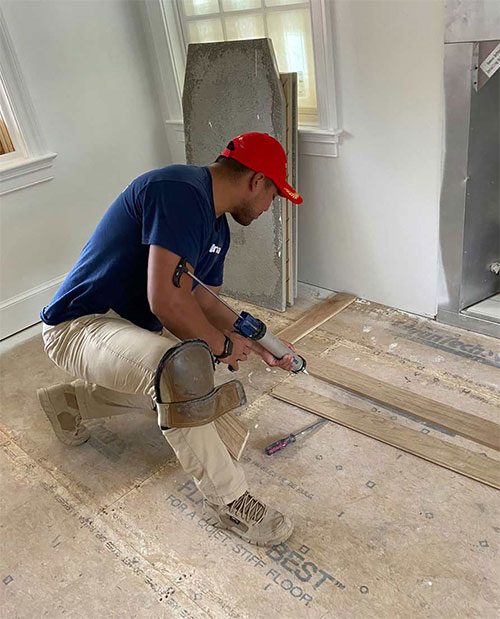
Technician repairing water-damaged hardwood floor boards

What to Do in the First 24-48 Hours

Speed matters more than anything else with wet hardwood. A leak can turn a roughly $2,000 restoration into an $8,000 replacement if it is not handled quickly, so act as soon as you notice water.

  1. Stop the source. Shut off the water supply or the appliance, and stay safe around electricity.
  2. Call a water mitigation company for extraction, drying, and remediation. That is their specialty, not ours.
  3. Remove standing water, rugs, and furniture from the floor if it is safe to do so.
  4. Keep air moving and avoid covering the wet floor with plastic, towels, or rugs that trap moisture.
  5. Take photos of the damage for your records and your insurance claim.
  6. Call us at (240) 277-5953. We can assess your water damage claim by phone within hours, or the next day. Learn more on our wood floor emergency response page.

Signs of Water Damage in Hardwood Floors

Water does not always announce itself with a puddle. Slow leaks under a sink, a refrigerator line, or a washing machine can damage a floor for weeks before you see it. Watch for these signs:

  • Cupping: board edges rise higher than the center, creating a dished look. See our cupping repair page.
  • Crowning: the center of a board rises above its edges, often after a cupped floor has been sanded too early.
  • Buckling: boards lift away from the subfloor, sometimes in a dramatic ridge. This is the most serious sign.
  • Warping and gaps: boards twist, swell, or separate.
  • Staining: dark gray, black, or discolored patches, often around leaks and pet accidents.
  • A musty or moldy smell: a sign moisture is still trapped below the surface.

If you see any of these, do not wait to see if it improves.

Can Water Damaged Hardwood Be Saved?

Often, yes. But we will not promise that every floor can be saved, and we will not sell you a replacement you do not need. We assess what is happening in the boards and subfloor, then give you a straight answer. These are the factors that decide it:

  • How fast the water was dealt with. Quick action gives the wood the best chance to return to its normal shape.
  • How long the wood stayed wet. Extended exposure raises the risk of permanent warping and mold.
  • Type of damage. Mild cupping and surface staining are often repairable. Severe buckling usually means boards need replacing.
  • Moisture readings. The floor must be fully dry before any sanding or finishing.
  • The subfloor. If it is damaged, it has to be addressed first.
  • Board condition. Some areas can be repaired with replacement boards blended into the existing floor.

Sometimes the answer is a spot repair, sometimes a full refinish, and sometimes replacement of a section or the whole floor. We will explain why either way.

Our Repair Process, Step by Step

  1. Phone assessment. Call or text photos and we can assess your claim within hours, or the next day.
  2. Estimate approval. Work begins once you approve the estimate.
  3. Coordinate drying. Floors must reach safe moisture levels before repair. We work alongside your mitigation team.
  4. Written plan and estimate. You see what can be repaired, what must be replaced, and the cost before work begins.
  5. Remove and repair. Typically we have to remove the damaged flooring, especially when it cannot be sanded. We then replace boards and address cupping, crowning, and staining as needed.
  6. Dustless sanding. Our dustless sanding keeps your home cleaner during the work.
  7. Stain and finish. We match your existing color as closely as possible, or help you choose a new one.
  8. Final walkthrough. If something is not done right, the owner comes back to fix it. That is our personal guarantee.

Water Damage Repair Options in Detail

First steps after water reaches a hardwood floor

Start by stopping the water at its source. Shut off the appliance, close the supply valve, place a temporary cover over a roof leak, or contact a plumber if a pipe is involved. If water has reached electrical outlets, cords, or equipment, avoid the area until it is safe to enter.

Remove standing water with towels, a wet vacuum, or a mop that has been thoroughly wrung out. Do not scrub aggressively or flood the floor with cleaning products. The immediate job is extraction, not polishing. Move rugs, pet beds, furniture, and any items that trap moisture against the surface.

Then create controlled airflow. Use fans to move air across the floor and run a dehumidifier to reduce moisture in the room. Air conditioning can also help during humid weather. Avoid placing intense heat directly on the boards or using a space heater to force rapid drying. Wood that dries too quickly at the surface while remaining wet underneath can crack, split, or distort further.

Take clear photos before moving furniture and again as the floor changes over the next several days. Documentation is useful for insurance claims and gives a flooring professional a better picture of the original damage. If the water came from a drain backup, sewage line, or other contaminated source, treat the situation differently: professional cleaning, material removal, and safety precautions may be necessary.

What water damage looks like as wood dries

Not every wet hardwood floor needs to be torn out. The condition of the boards, the subfloor, the finish, and the water source all influence the repair plan. A careful assessment should happen after initial drying has begun, not solely while the floor is visibly wet.

Cupping occurs when the edges of a board rise higher than its center. It often indicates that the underside of the flooring has absorbed more moisture than the top. Minor cupping may relax as moisture levels return to normal. Sanding too soon can create a permanently dished floor once the boards flatten.

Crowning is the opposite pattern: the center of the board rises above the edges. It can occur when a previously cupped floor is sanded before it is fully dry, or when moisture enters from above and affects the face of the boards more heavily.

Buckling is more serious. Boards can lift away from the subfloor, push against one another, or form ridges that make the floor unstable. This may point to significant moisture below the wood, inadequate expansion space, adhesive failure, or damage to the subfloor itself. Loose boards, black staining, persistent odors, and visible mold are also signs that a surface-only repair may not be enough.

A moisture meter is far more reliable than touch when deciding whether a floor is dry. Professional assessment compares moisture readings in affected boards with readings in unaffected areas, then considers the wood species, installation method, and seasonal humidity. That information prevents premature sanding and helps identify moisture that remains hidden below the finish.

Hardwood floor water damage repair options

The right repair is based on what can be stabilized and restored, not on a one-size-fits-all rule. In many cases, a floor can be saved through patient drying, targeted board work, and refinishing. In others, replacing a defined section protects the rest of the installation.

Drying and monitoring for minor damage

When water exposure is limited and boards remain securely attached, controlled drying may be the complete repair. The floor should be checked regularly for changes in board shape, gaps, movement, and moisture readings. Once the wood has returned to an appropriate moisture range and remained stable, light surface wear or dullness may be addressed with a recoat or refinishing process.

This option preserves the original floor and is often the best outcome for historic strip flooring or a floor with character worth keeping. It requires patience. Refinishing before the wood is stable can turn a manageable water event into a more expensive correction.

Replacing damaged boards

Individual board replacement is appropriate when damage is localized – for example, beneath a refrigerator line, near an exterior door, or around a small plumbing leak. Severely stained, delaminated, split, loose, or permanently distorted boards can be removed while retaining surrounding material that remains sound.

Matching replacement wood is a detailed part of the work. Width, thickness, species, grain character, milling profile, and age all affect the final appearance. A new board rarely matches an older floor straight from the package. Professional color blending and refinishing allow the repaired area to integrate more naturally with the existing floor.

Repairing the subfloor before refinishing

If moisture reached the subfloor, the repair may require lifting damaged flooring to inspect what lies underneath. Wet plywood can swell and lose structural integrity; wet framing or concrete conditions can continue feeding moisture into a newly repaired floor. The damaged source must be corrected and the assembly dried before replacement boards are installed.

This stage is where careful trade work matters most. Installing new hardwood over a damp or uneven substrate can cause recurring movement, hollow spots, failed fasteners, and finish problems. Proper preparation may include subfloor repair, leveling where appropriate, moisture management, and attention to expansion gaps along walls and fixed objects.

Sanding and refinishing after the floor is stable

When repairs are complete and the flooring has acclimated, sanding can remove water marks, blend replacement boards, correct minor surface irregularities, and prepare the wood for a new finish system. Dustless Bona sanding equipment helps keep the work area cleaner, particularly in occupied homes where containment and cleanup matter.

The finish choice should suit the room and the household. A durable commercial-grade finish may make sense for active family rooms, entry areas, and commercial spaces. Custom stain can help unify old and new boards, but dark colors may emphasize grain variation, repaired areas, and future scratches. A natural or lighter finish often better preserves the visual character of older wood.

When to call a flooring professional

Call promptly when boards are lifting, water has traveled beneath cabinets or walls, the leak involved contaminated water, or the affected area is expanding. You should also arrange an evaluation if your floor remains damp, smells musty, develops dark stains, or continues changing shape after basic drying measures.

A professional evaluation should include more than a glance at the finish. It should identify the water source, measure moisture, inspect the stability of the floor and subfloor, and explain whether drying, selective replacement, or full removal is warranted. For a historic home, the plan should also consider how to retain original boards and preserve the floor’s character wherever practical.

Refinish My Floors approaches water-damage work with that sequence in mind: assess the condition, stabilize the structure, complete precise repairs, and finish the floor only when it is ready. Photo-based damage review and project tracking can also make it easier to document the condition and follow the work from the first assessment through final finish coats.

Preventing the next water event

Once the repair is complete, protect the investment by checking appliance hoses, refrigerator supply lines, dishwasher connections, and exterior thresholds regularly. Use mats at entryways, but choose breathable options and lift them periodically so moisture does not become trapped beneath them. Keep indoor humidity reasonably consistent, especially through Maryland’s humid summers and dry heating season.

For kitchens, laundry rooms, and entry areas, respond to small spills before they find board seams. A well-maintained finish slows water absorption, but no finish makes hardwood waterproof. Recoating a worn floor before bare wood is exposed is practical maintenance, not a cosmetic extra.

A wet hardwood floor creates urgency, but urgency should lead to a measured repair plan rather than a rushed sanding or replacement decision. Dry it correctly, verify what is happening below the surface, and give the wood the professional attention needed to keep a temporary leak from becoming a permanent loss.

How Long Does It Take and What Does It Cost?

Every water damage job is different, so we cannot quote a price without seeing the floor. What we can tell you is what is typical for refinishing work: most projects run $2,000 to $5,000 and take 2 to 3 days once the floor is dry and ready. Boards that need replacing, a damaged subfloor, or a larger affected area will change both the cost and the timeline.

Here is how estimates work: we assess the damage, measure moisture, and give you a clear written estimate with no pressure. Payment is 50% at arrival and 50% on completion. For general pricing, see our refinishing cost guide, or request a free estimate.

One more honest point: acting quickly is the best way to keep costs down. Waiting is what turns a repair into a replacement.

After Mitigation: Refinishing and Reconstruction

Once the water mitigation team has finished extraction, drying, and remediation, the rebuilding begins. That is where we step in. We are not a water extraction company. We repair and refinish floors, and we rebuild afterward.

  • Floor repair and refinishing: see our sanding and refinishing service.
  • Reconstruction: our Reconstruction division rebuilds kitchens, bathrooms, and general construction after mitigation, so one trusted team can take you from a wet floor to a finished home.

We are licensed under Maryland Home Improvement License #112416 and carry $1 million in liability insurance, which matters when you are dealing with an insurance claim and a large repair.

Service Area

We are based in Aspen Hill, MD and serve homeowners throughout Montgomery County and Baltimore County, including Bethesda, Chevy Chase, Potomac, Silver Spring, Rockville, Columbia, and Randallstown. We are also NWFA members and certified in Bona Sand and Finish and American Sanders systems.

Water on your floor right now? Call (240) 277-5953 for an emergency assessment, or request your free estimate online.

Water Damage Repair FAQ

Can water damaged hardwood floors be saved?

Often they can, but not always. It depends on how quickly the water was removed, how long the wood stayed wet, the type of damage, and the condition of the subfloor. We assess your photos and the damage, and give you an honest answer before any work begins; if boards cannot be sanded, they typically have to be removed.

How fast do I need to act after a leak?

As fast as you can. Quick action is the biggest factor in whether a floor can be repaired. A leak left too long can turn a restoration of around $2,000 into a replacement of around $8,000. Call us at (240) 277-5953 and we can assess your claim by phone within hours, or the next day.

Do you handle water extraction and drying?

No. We are not a water extraction or mitigation company. A mitigation team handles extraction, drying, and remediation. We repair and refinish your floors afterward, and our Reconstruction division can rebuild kitchens, bathrooms, and general construction.

What causes cupping and buckling?

Both come from moisture. Cupping is when board edges rise, and buckling is when boards lift off the subfloor. Common causes include burst pipes, appliance leaks, storm damage, and moisture coming up from below. Pet stains can also cause damage and discoloration, and we handle those as well.

How much does water damage repair cost?

It depends on the extent of the damage. Typical refinishing projects run $2,000 to $5,000 and take 2 to 3 days. Replacement boards, subfloor issues, or larger areas change that. We give you a clear estimate after assessing the damage, and work begins once you approve it. Payment is 50% at arrival and 50% on completion.

Are you licensed and insured?

Yes. We hold Maryland Home Improvement License #112416 and carry $1 million in liability insurance. We are also Bona Sand and Finish and American Sanders certified, and NWFA members. If our work is not done right, the owner will come back to fix it.

Maryland Home Improvement License #112416 · $1M Liability Insured · Bona Certified · NWFA Member · 30+ Years Experience

Photos From Our Work

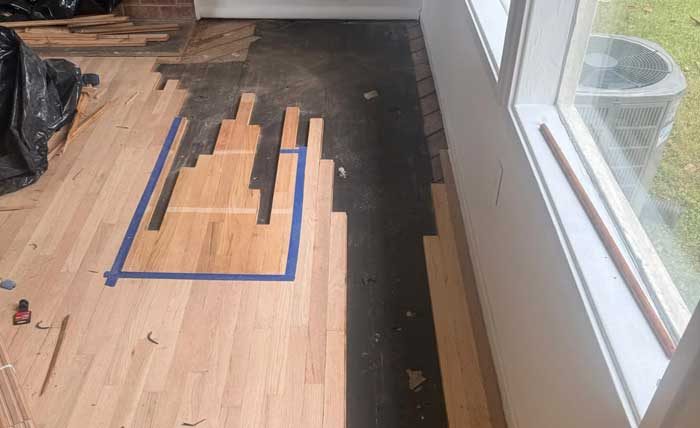
Hardwood floor board repair in progress in Rockville, MD
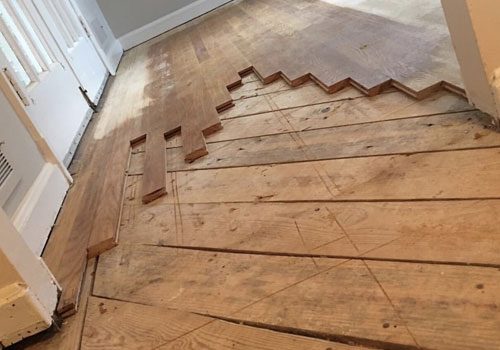
Subfloor with hardwood boards being replaced during floor repair
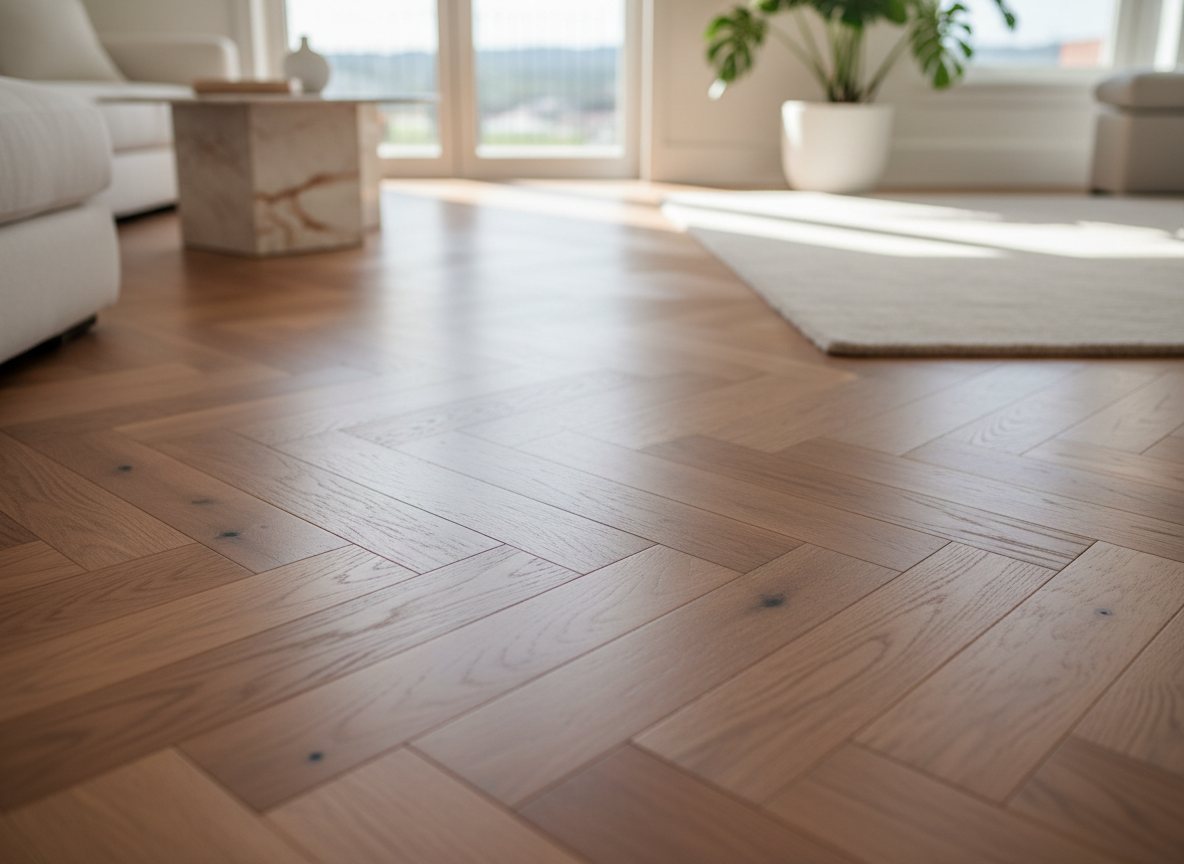
Elegant hardwood floor background

Contact Us

Ready for a fast, free estimate? Contact us today—calls, texts, and emails answered quickly, even outside business hours. We proudly serve Montgomery County (Aspen Hill, Bethesda, Potomac, Rockville, Chevy Chase) and Baltimore County (Windsor Mills, Randallstown, and more).

(240) 277-5953, (240) 608-0854
Aspen Hill, MD, Washington, DC 20906, United States

By submitting this form, you agree to be contacted by Refinish My Floors, LLC via phone call, text message, and/or email regarding your inquiry. Message and data rates may apply. You may opt out at any time by replying STOP. Submitting this form does not guarantee service or a fixed estimate. See our Privacy Policy and Terms of Service.